
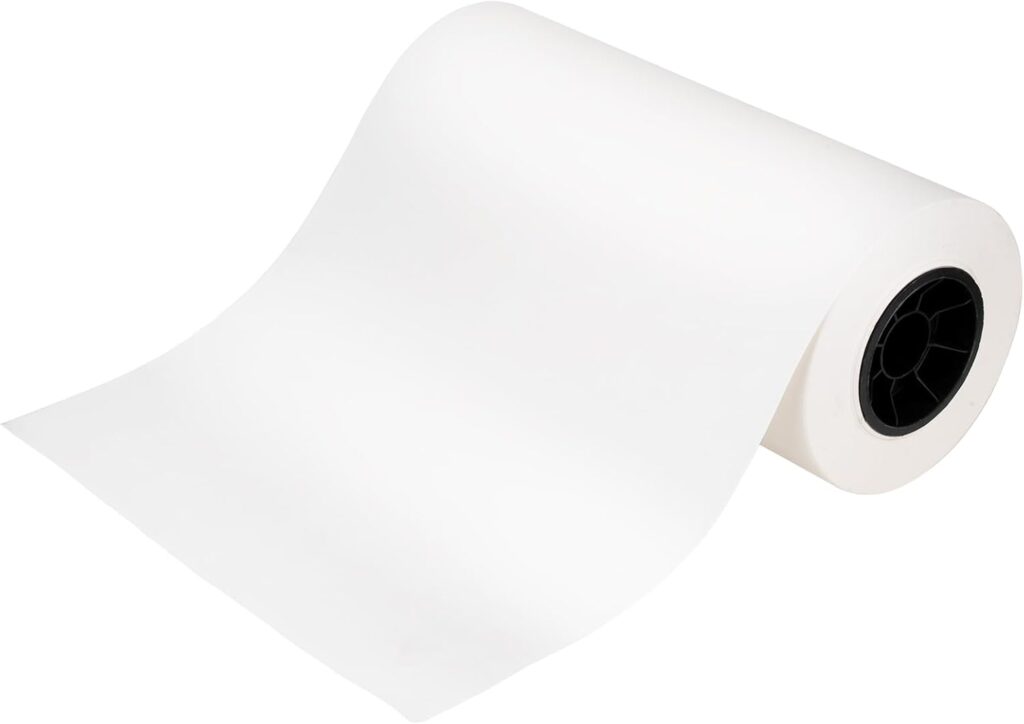
Sublimation Paper Printing Solutions
CHOOSING THE CORRECT SUBLIMATION PAPER
These are few factors to be considered while choosing the right sublimation transfer paper.
Ink Capacity and Limits
This is an important factor, higher the ink limit (wet), the heavier the paper should be to accept moisture from the ink without any disturbances like curling and warping.
Ink Pattern
This explains the printing of a very complex design artwork that has mixed heavy and light ink input. This is faced with low-weight papers, with the occurrence of curling and shifting after pressing. To eliminate this the best solution is using 110gsm or more that accept heavy and light inks.
Roll to Roll, or Roll to Sheet
Calendar heat press prefers low-gsm papers. But in heavy ink, limit and capacity are to be considered wisely. Here we consider the limitations of high-capacity production and consequences like warping and curling.
Print Speed
The quality of the paper to be produced depends on what speed it is being printed. Fast printing produces lightweight paper, slow printing produces thick paper.
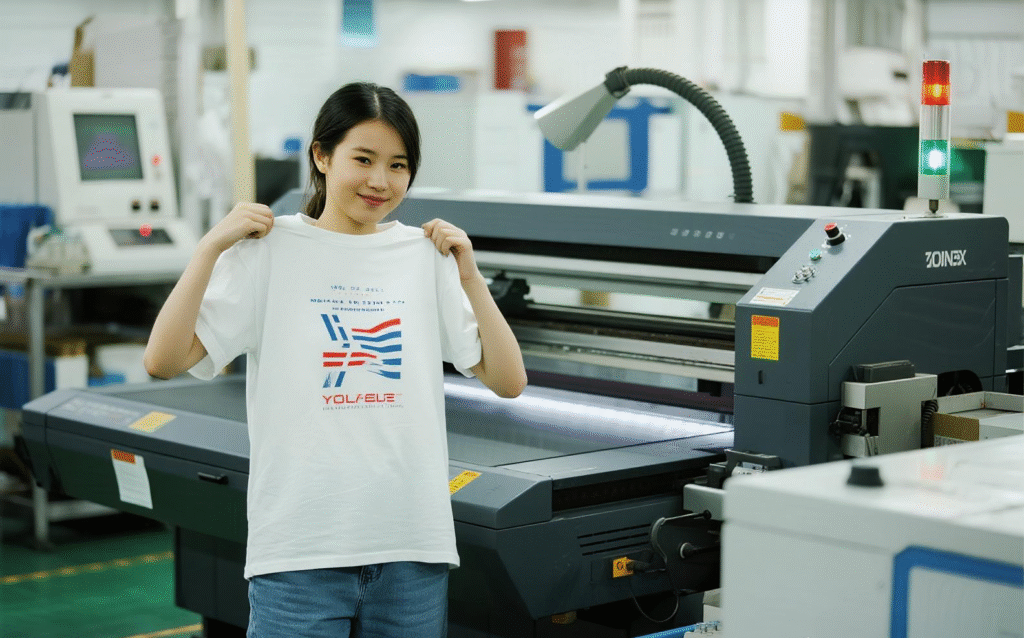
Low humidity: In the humidity under 45%, it’s better to choose 80gsm. When in low humidity, the paper shrinks, and the print side is hunched up. During the process, the paper absorbs ink, which leads to the “hunch-up”. 100g and 120g paper are harder than 80g, so the “hunch-up” damages the print head. 80gsm is softer, it could relieve the “hunch-up” and protect your print head from damage.
High humidity: In the humidity above 70%. It’s better to choose 110-120 gsm. Since the paper is very easy to become damp with high humidity, it will become softer and stiffness is weak at the same time. If low-weight paper is used, it will be hard to print smoothly because the stiffness and hardness go down. At this time, 110-120 gsm is the best choice.
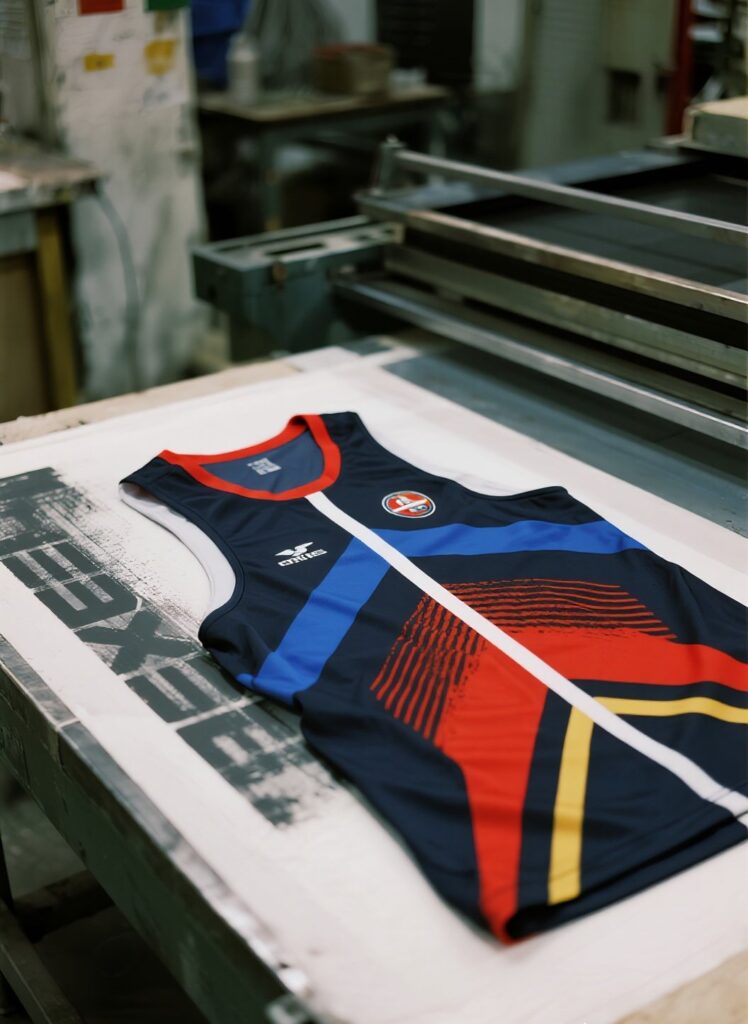
USES OF SUBLIMATION PAPER
Apparel: Lycra materials, cycling, Polyamide, Swim & Surfwear, 100% polyester (stretch), running, ice hockey wear, Sports and functional textiles.
Home Usages: Curtains, Blinds, Cushions, Table Covers, Towel Cleaners, etc.
Advertisement: Flags, Banners, Felts, Gaming tables, Home Textiles.
Sublimation paper applies to sublimation transfer, on which one can print images with mirror reversal through inkjet printing, flat printing, screen printing, and gravure printing. Then transfer the image onto the media by heating and pressuring, which makes the ink on the paper become a gaseous state and combine with the media.
Heat transfer paper is applicable to heat transfer, on which images can be printed through flat printing or gravure printing, and then combined with media by heating and pressuring to transfer the image onto media.
Ink and Media Ink: Sublimation paper is used with sublimation ink. Heat transfer paper is used with sublimation ink, pigment ink, solvent ink or others. Media: Sublimation paper can be transferred onto polyester, mouse pads, banners and hard surfaces, such as mugs, ceramic and aluminium plates. But heat transfer paper is usually transferred onto cotton.
Successful dye sublimation requires the following two-part process:
- Printing graphics onto special transfer paper using sublimation inks.
- Using a heat press to transfer the ink-on-paper to the item to be designed.
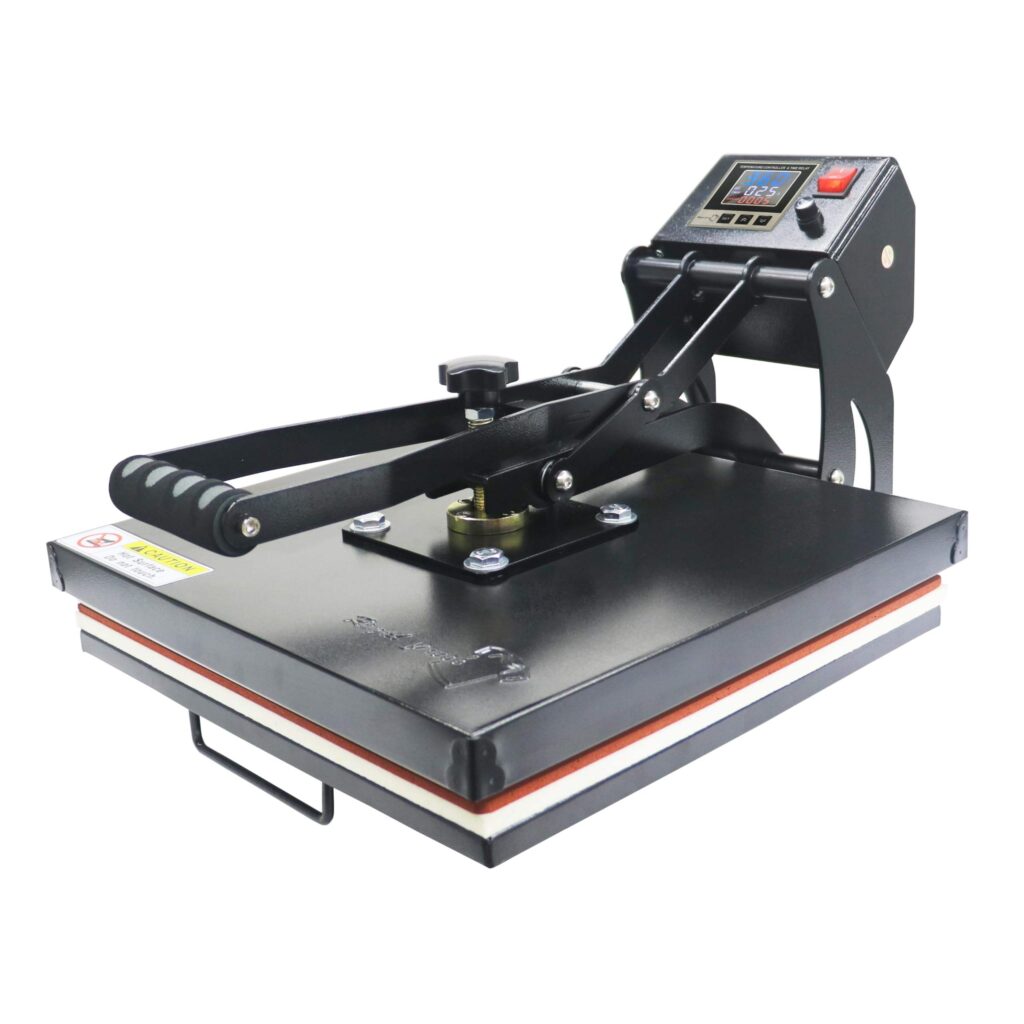
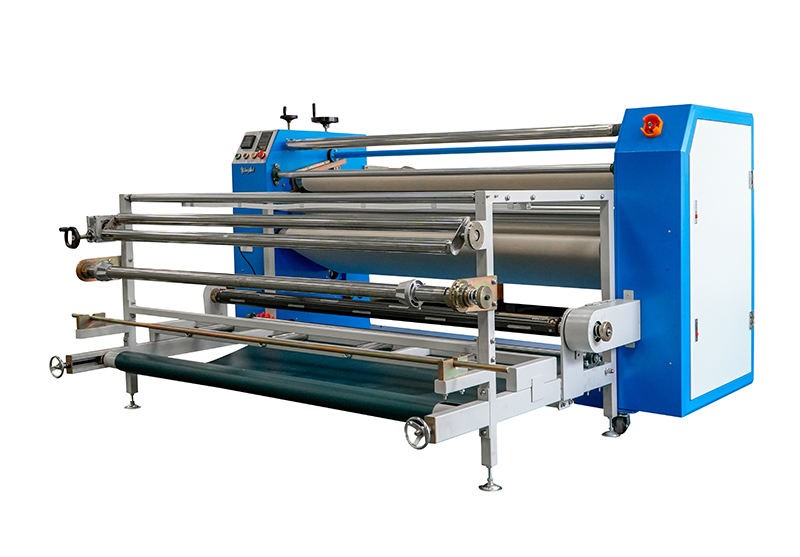
FOUR TYPES OF HEAT PRESS
Small Format Heat Press
This device is used if you’re planning to sublimate on t-shirts and small items such as caps, mugs, plates, and shoes.
Calendar Heat Press
These heat presses are large format presses that are built for flags, large exterior banners, and other large soft-signage applications, as well as day-to-day soft signage and fabric sublimation. With the addition of a table attachment to your calendar unit, users can cut and sew apparel pieces.
Flatbed Heat Press
Although they can’t effectively manage the kind of rolls and fabric sizes that a Calendar heat press can, flatbed style heat presses are versatile presses that can heat transfer onto fabric as well as aluminium, hardboard, floor mats and other unique media.
3D Vacuum Heat Press
A 3D vacuum heat press is a compact desktop machine that allows heat transfer onto materials with a curved edge or shape. Sublimation blanks and pre-treated objects, such as smartphone covers, mugs, picture frames, sporting goods, buttons and others available for sublimation by this device.
COMMONLY ASKED TRANSFER PAPER QUESTIONS FOR GARMENTSCOMMONLY ASKED TRANSFER PAPER QUESTIONS FOR GARMENTS
Do I need to trim my iron on transfer paper before use?
Yes, you must trim it because any area that isn’t printed on will show up on your t-shirt as white. This isn’t so much of a problem for light-coloured shirts, but it’s necessary for dark garments. Trim your iron-on transfer paper and you’ll achieve a much more professional result.
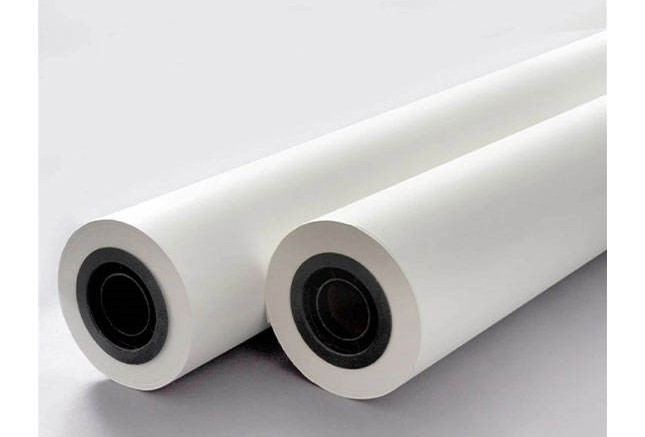
What Gsm of paper do we producing?
- 29gsm
- 33gsm
- 35gsm
- 38gsm
- 40gsm
- 52gsm
- 61gsm
- 81gsm
- 95gsm
What type of garment can i use my iron on transfer paper on?
Choose a garment that’s made out of 100% cotton or polyester blend fabric to achieve the best results.
How many times can I wear and wash my t-shirt before it begins to fade?
Only a few iron-on transfer papers exceed washing standards and few products can hold up to as many as 50 washes before fading. If you follow your transfer paper washing instructions, you can extend the life of the garment and keep your image bright and long-lasting.
Is it safe to iron over the transferred area after the heat transfer is completed?
You may iron over the rest of your shirt or garment but do NOT iron directly over the transferred area without covering it with a protective covering, pillowcase, or other means of protection. Be careful not to expose the area to high heat!